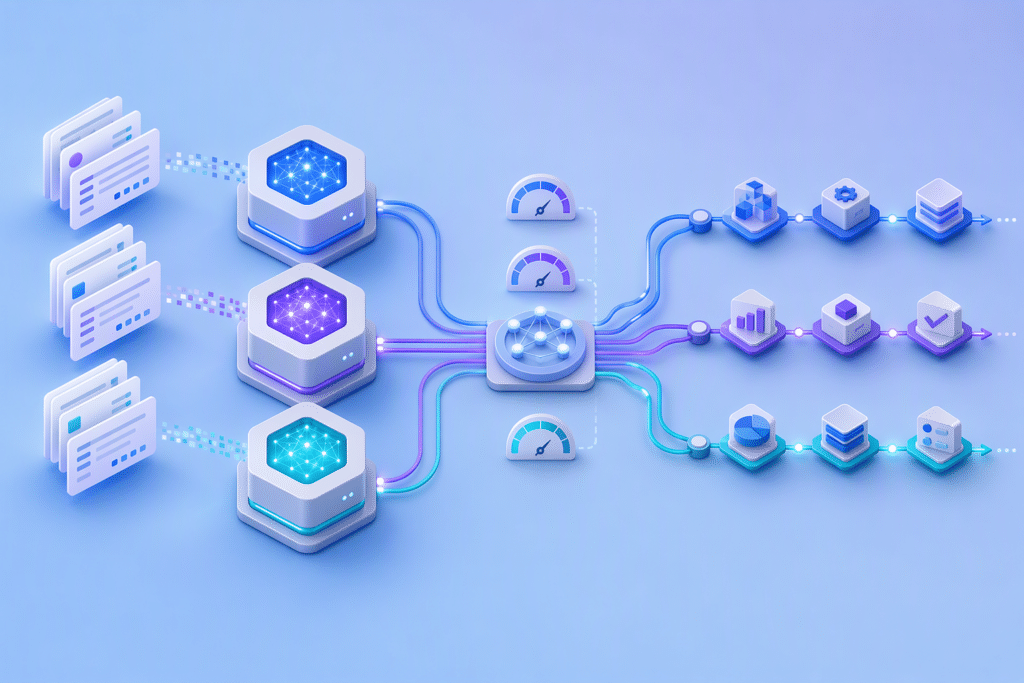

OpenAI has made a significant stride towards integrating AI with everyday development practices by open-sourcing Codex Security, a cutting-edge command-line tool and TypeScript SDK. This innovatively designed tool is aimed at helping developers efficiently find, validate, and fix security vulnerabilities in their codebases.
Bringing AI-Driven Security into Development
Codex Security marks an important development in the field of AI-driven security analysis, allowing development teams to seamlessly integrate security checks into their continuous integration and continuous delivery (CI/CD) pipelines. This integration not only enables the scanning of repositories and review of pull requests but also provides automated checks that enhance overall security without disrupting workflow.
Technical Highlights
Launched under the Apache-2.0 license, Codex Security builds on the lightweight Codex coding agent, initially previewed in March 2026. Available as the npm package @openai/codex-security, this tool diverges from traditional pattern matching, using sophisticated AI models for contextual code analysis. This method offers a deeper understanding of code behavior, highlighting meaningful issues and recommending practical fixes.
User Engagement and Reception
Early adopters of Codex Security on platforms like Hacker News and X have recognized its utility, particularly in an era where AI-assisted code generation is gaining momentum. While minor authentication issues were noted initially, rapid resolutions have bolstered confidence in the tool’s capabilities and future potential.
Ease of Adoption
Codex Security is designed for ease of integration with existing workflows. It requires Node.js 22 or later, Python 3.10 or later, and is easily installed with a simple npm command. Authentication is handled via interactive login, or by setting the OPENAI_API_KEY environment variable for automated utilization in CI pipelines.
Enhancing Development Cycles
The strength of Codex Security lies in its ability to create tighter feedback loops for developers and security engineers. As opposed to traditional static analysis tools, Codex Security offers real-time scanning of code changes, records findings, and automated suggestions, thus streamlining effective security practices within development cycles.
Conclusion
As AI-driven tools like Codex Security gain momentum and mature through community feedback, they are poised to reshape standard practices in secure software delivery. OpenAI’s commitment to releasing tools like Codex Security reflects a larger trend of adopting AI efficiently and responsibly in software development, fostering not just enhanced security, but also innovation in the processes that drive it.

Written by
Ganesh Babu Vasantha RajanContent Writer
Ganesh Babu Vasantha Rajan is a contributor at AgilizTech....
View all articles